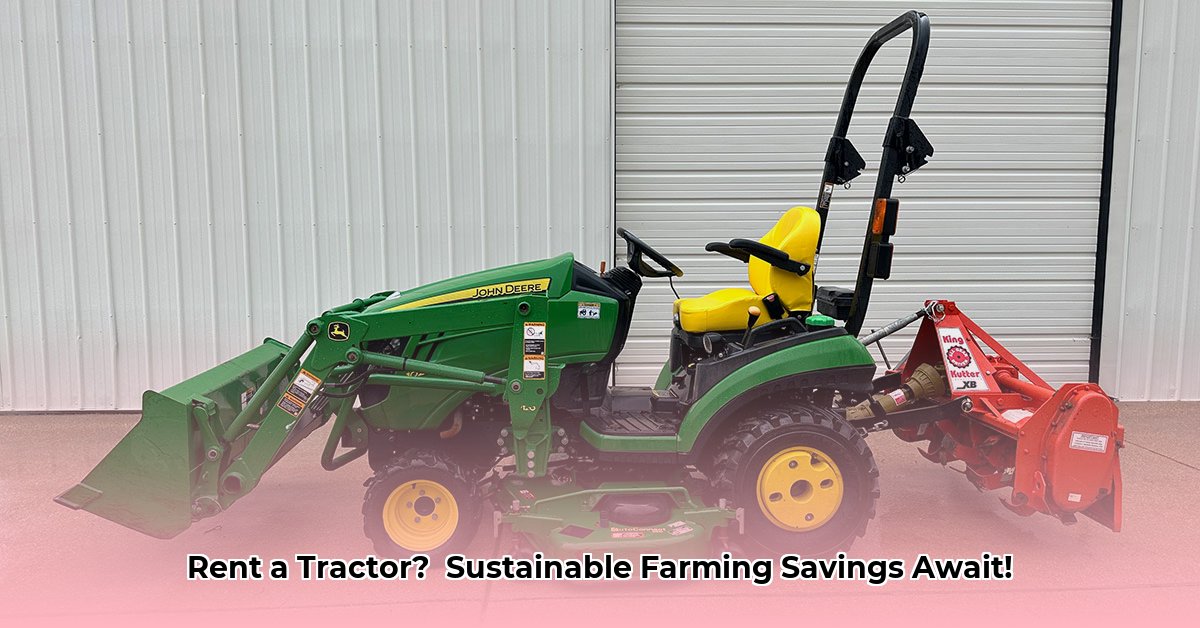
Finding the right tractor can be the difference between a successful and struggling farming season, particularly for small-scale, sustainable operations. Navigating the world of tractor rentals, however, can be tricky. This guide will help you understand rental costs, locate available tractors, and make informed decisions to support both your farm and the environment. For more information on tractor costs, check out this helpful resource: Tractor Costs.
Understanding Tractor Rental Rates: Factors Affecting Costs
Several key factors influence tractor rental prices. Understanding these will help you secure the best deal. Don't be surprised if rates vary significantly; it's a dynamic market.
Key Factors Influencing Tractor Rental Rates
- Tractor Type and Size: A compact tractor will cost less than a large, heavy-duty model. The size of the tractor you need directly impacts the rental price.
- Rental Duration: Daily rates typically decrease for weekly or monthly rentals. Think of it as a bulk discount.
- Location: Rental costs vary geographically, reflecting local market conditions and demand. Urban areas may command higher prices.
- Seasonality: Prices are higher during peak seasons (planting and harvest) due to increased demand.
- Insurance: Always clarify whether insurance is included in the quote or an extra charge.
- Fuel: Determine whether fuel costs are covered in the rental price or if you'll be responsible for purchasing it.
Estimated Rental Costs (USD): Please note that these are rough estimates and actual rates vary considerably based on location, company, and tractor condition.
| Tractor Type | Daily Rate (Estimate) | Weekly Rate (Estimate) | Monthly Rate (Estimate) |
|---|---|---|---|
| Compact Tractor | $100 - $150 | $500 - $750 | $1500 - $2250 |
| Utility Tractor | $150 - $200 | $750 - $1000 | $2250 - $3000 |
| Heavy-Duty Tractor | $250 - $350 | $1250 - $1750 | $3750 - $5250 |
How can you find more precise pricing data? Future research will focus on compiling a comprehensive database of rental rates from various regions and companies. This will provide more accurate comparisons. Until then, these estimates provide a starting point for your budget.
Rental contracts usually specify rental dates, tractor details, total cost, insurance provisions, maintenance responsibilities, and other important terms. Always read the contract carefully before signing.
Finding Tractor Rentals: A Practical Guide
Finding the right tractor for your needs involves a strategic approach. This step-by-step guide will streamline your search and help you compare options effectively.
- Start Your Online Search: Begin with broad terms like "tractor rentals near me" or "agricultural equipment rental." Refine your search by including the specific type of tractor you need.
- National Rental Companies: Utilize major rental companies like United Rentals and Sunbelt Rentals. Their websites often facilitate online comparisons and bookings; however, their service can be less personalized.
- Regional and Local Options: Availability varies widely. Expand your search to include smaller, regional, or local rental companies. They often offer more personalized service and flexibility.
- Individual Owners: Look for individual farmers renting out their tractors. This offers a potentially more personal experience, but careful due diligence is crucial.
- Compare Quotes and Terms: Once you have several quotes, compare not just the price but insurance coverage, fuel costs, and other details. Don't hesitate to negotiate, especially for longer rental periods. A well-negotiated contract can significantly reduce your costs.
Isn't it surprising how diverse the options for tractor rentals can be? Utilizing all of these methods gives you a wider pool of choices.
Sustainable Considerations: Minimizing Your Environmental Impact
Even temporary tractor rentals can impact the environment. Let's explore how to minimize that impact.
- Fuel Efficiency: Prioritize fuel-efficient tractors to lower your carbon footprint and operational costs. Newer models often use less fuel.
- Minimize Transportation: Choose the closest rental location to reduce fuel consumption from transportation to and from the rental facility.
- Eco-Friendly Alternatives: Inquire about the availability of eco-friendly or hybrid tractors. While less common, the market for these tractors is growing.
- Maintenance: A well-maintained tractor runs more efficiently and produces fewer emissions. Ensure the rented tractor is in good working order.
Why is this important? Reducing our environmental footprint in agriculture is becoming increasingly crucial for long-term sustainability.
Long-Term Strategies for Small Farms
For smallholder farmers, long-term access to equipment is vital. Consider these strategies:
- Cooperative Ownership: Pool resources with other farmers to purchase or lease equipment collaboratively. This reduces costs and increases access to better equipment.
- Long-Term Rental Agreements: Negotiate extended rental periods to secure lower overall costs.
- Equipment Sharing Agreements: Partner with neighboring farmers to share equipment and reduce individual costs.
What other long-term strategies do you recommend? Sharing best practices helps other farmers find success.
The Role of Policy: Government Support for Sustainable Agriculture
Government policies can significantly affect the affordability and sustainability of tractor rentals. Advocating for policies that support sustainable farming is essential. Target policies that:
- Subsidize fuel-efficient and eco-friendly equipment: This helps to encourage the adoption of more sustainable technology.
- Offer tax incentives for rental payments: Tax breaks make renting more affordable for farmers.
These policy interventions are not just nice-to-haves but vital for the future of sustainable agriculture.
Tractor Rental Rates
Content about tractor rental rates (Auto-generated fallback due to API error).